
Whether you’re a promoter putting on your first show, an artist booking your own tour, or someone who runs ads for a living, the question is the same: what should the ad actually be? I’ve sold nearly 100,000 tickets as an independent artist by running ads for my own shows across the UK, Europe, and Australia, and the answer is simpler than most people think.
Start by picturing where your ad actually ends up. Someone is on the sofa or on the bus, scrolling through Instagram or Facebook and only half paying attention. Your ad gets about a second to make them stop, and a few more to make them want to click. Everything in this guide comes back to that moment: what makes someone stop, what makes them want to be there, and what gets them through to your tickets.
Make it look like it belongs in their feed
The first thing that decides whether anyone stops is whether your ad looks like it belongs there. The best performing ads tend to be videos shot vertically, the kind of thing that would do well as a normal post on that platform. When your ad fits in like that, the platform likes it more and shows it to more people, and the people who see it are more likely to buy a ticket.
Plain announcement posters and graphics can take you a certain distance, but they look like adverts, and people are used to scrolling past adverts. What goes the full mileage is short videos made for each platform, ones that fit where they show up, like Reels and Stories, and fit the feel of the platform.
On my 2026 tour campaign, Meta put 93% of the budget behind vertical video and about 4% behind posters, with both running in the same cities. The posters were also clicked far less.
Video: 1.18% of people clicked, from 4.97 million views. Posters: 0.68%, from 282,000 views.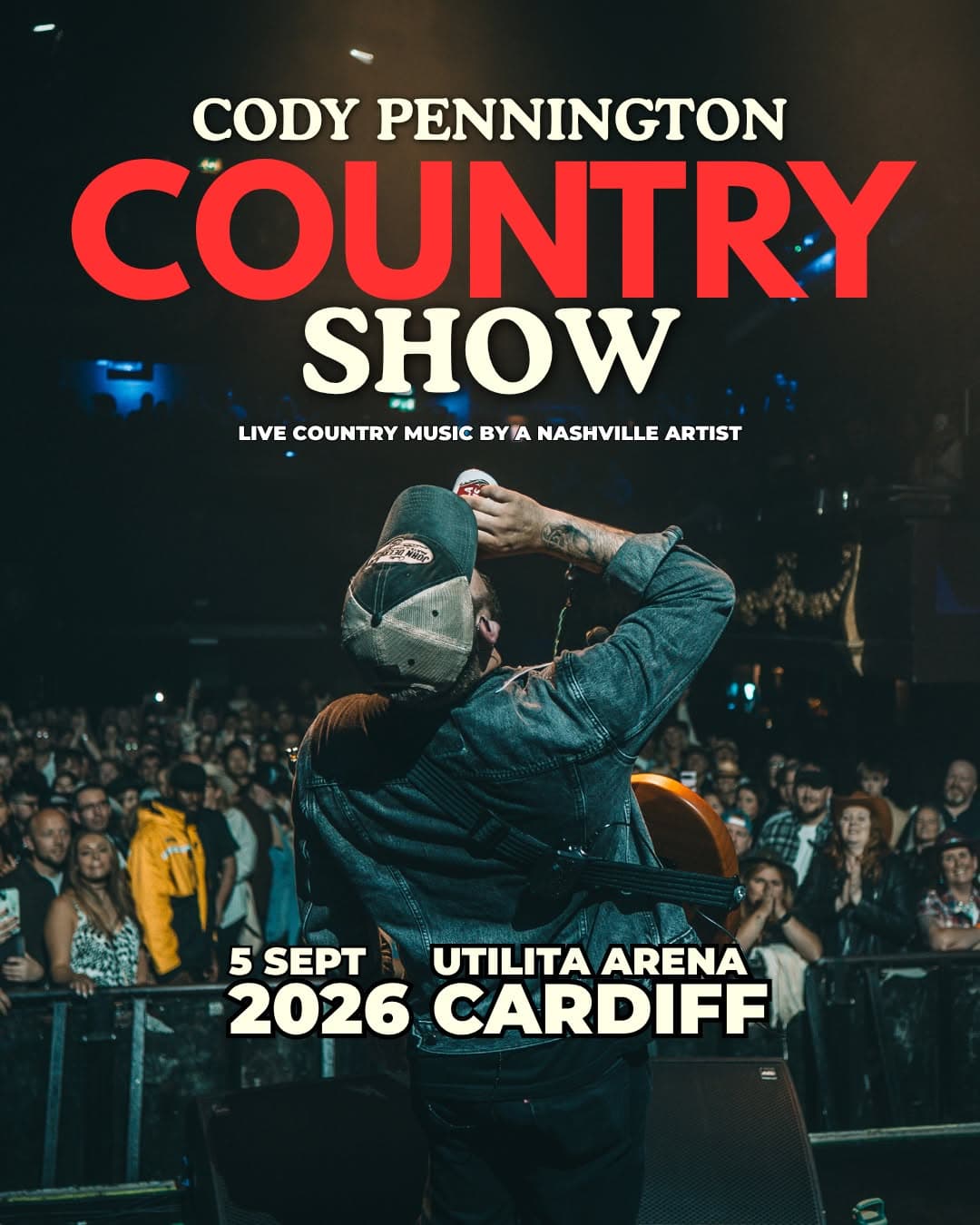
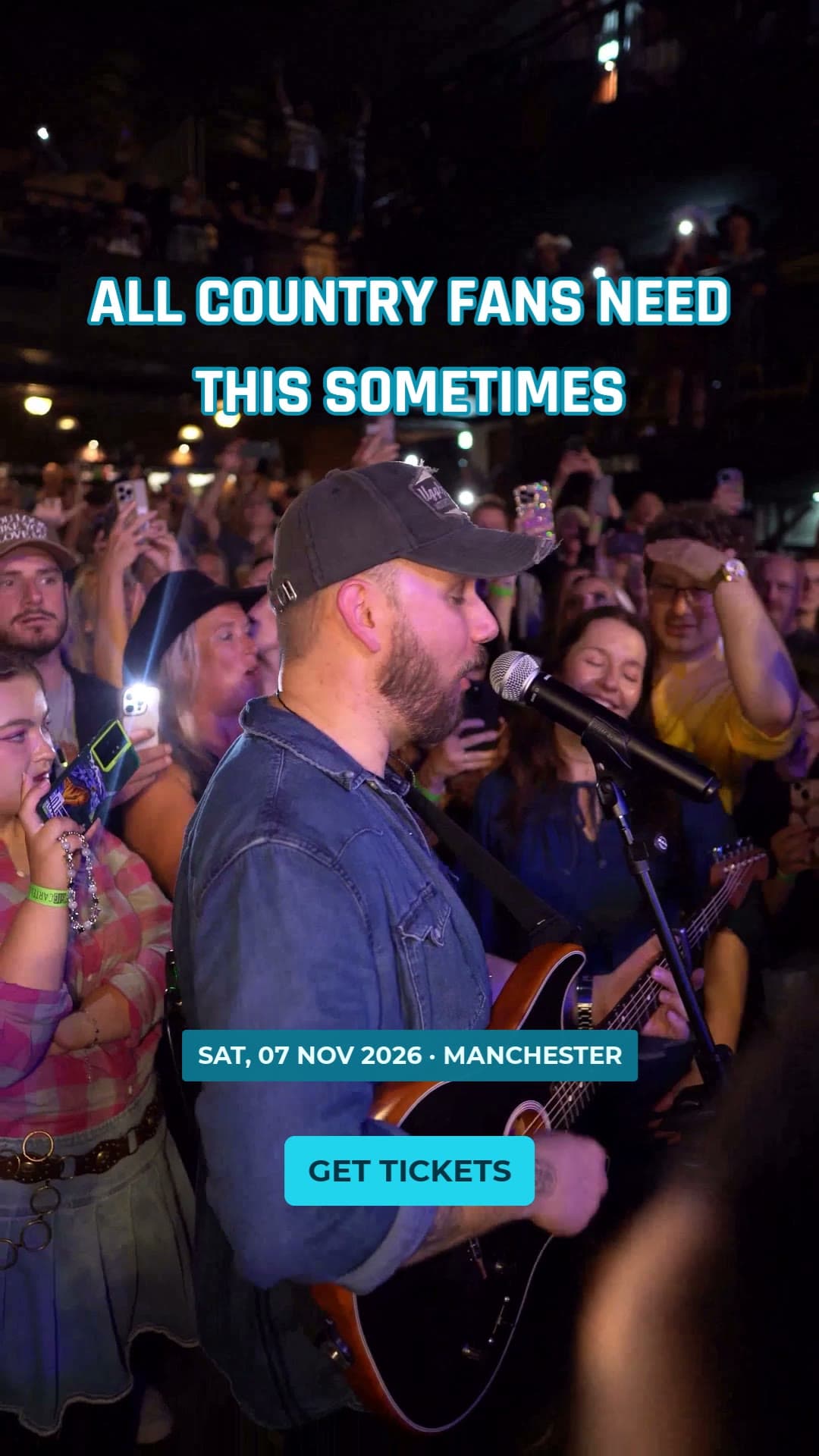
That doesn’t mean posters are useless. If you’re playing venues from 500 to 800 capacity, you can get by with just video ads. At larger venues you may want to add posters as well, but videos do tend to sell better.
Get the shape right
Part of looking like it belongs is the shape. Your ad should be vertical and full screen (9:16), which is the shape of Reels and Stories. If you keep your text towards the middle, the same ad also works in Facebook and Instagram feeds, where it’s shown a bit shorter (4:5).
Get the shape wrong and your ad shrinks to a small strip in the middle of someone’s screen. This is the same photo from one of my shows in three different shapes:
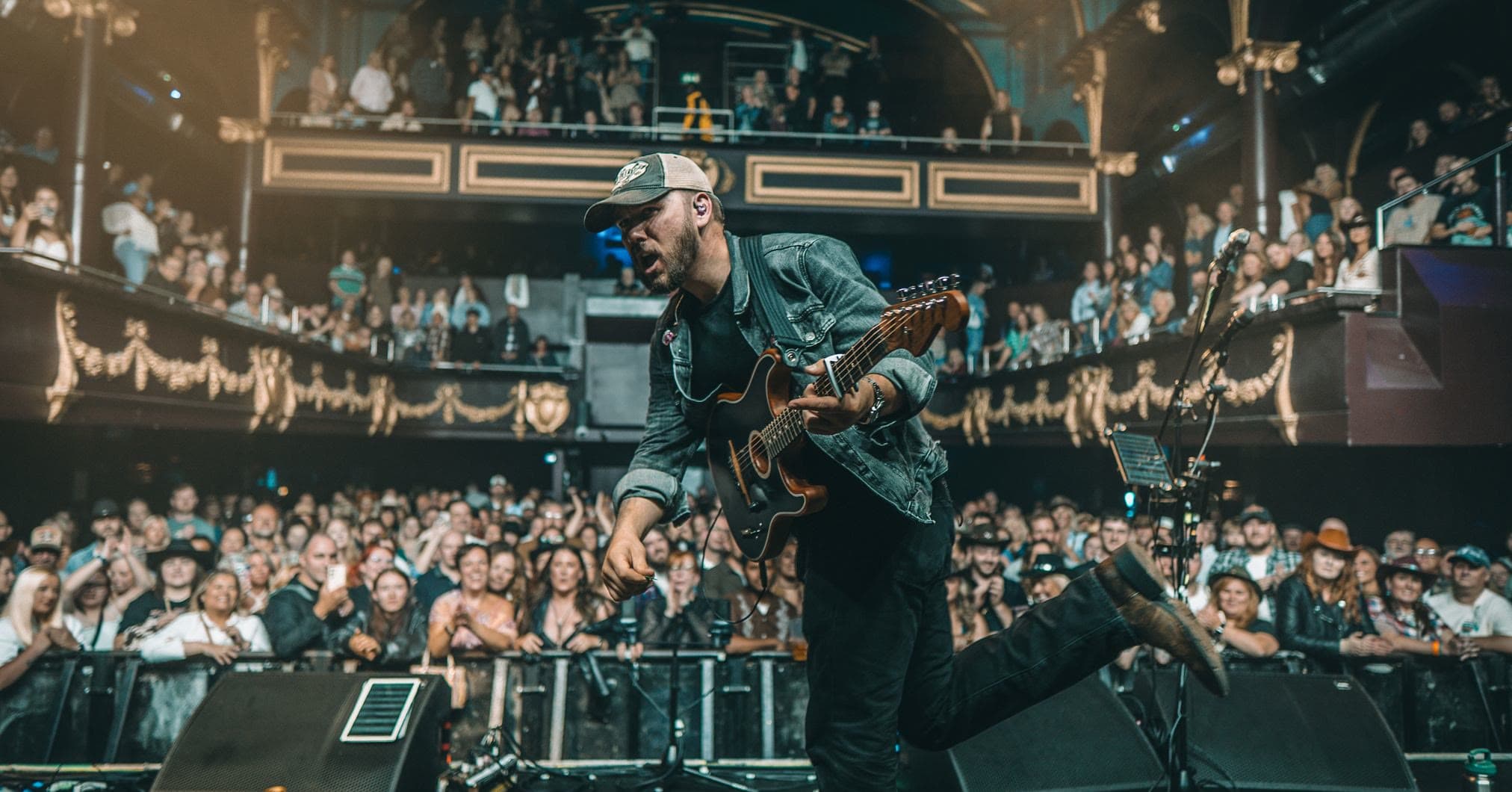
Landscape in a feedA small strip of the screen.
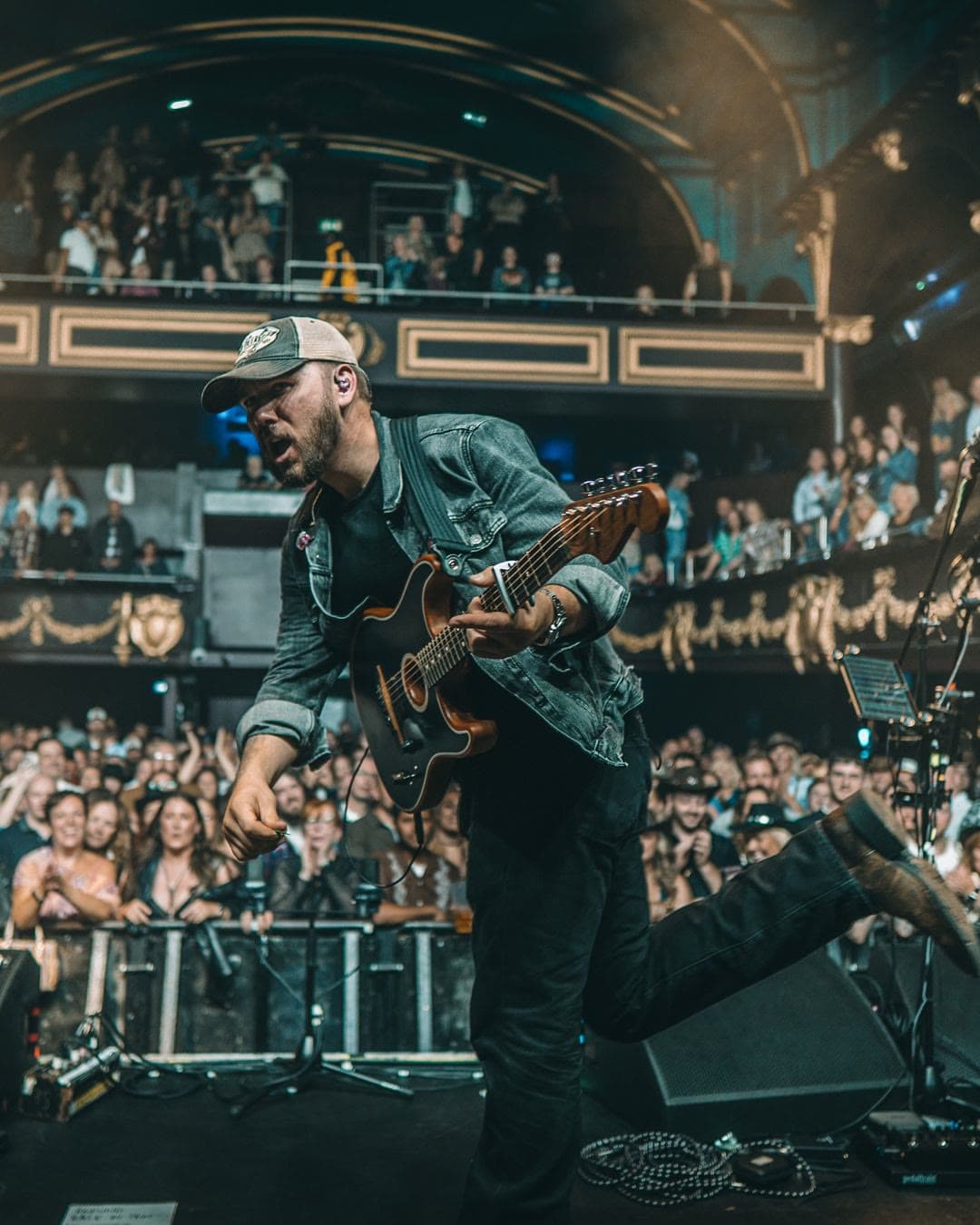
4:5 in a feedMost of the screen.
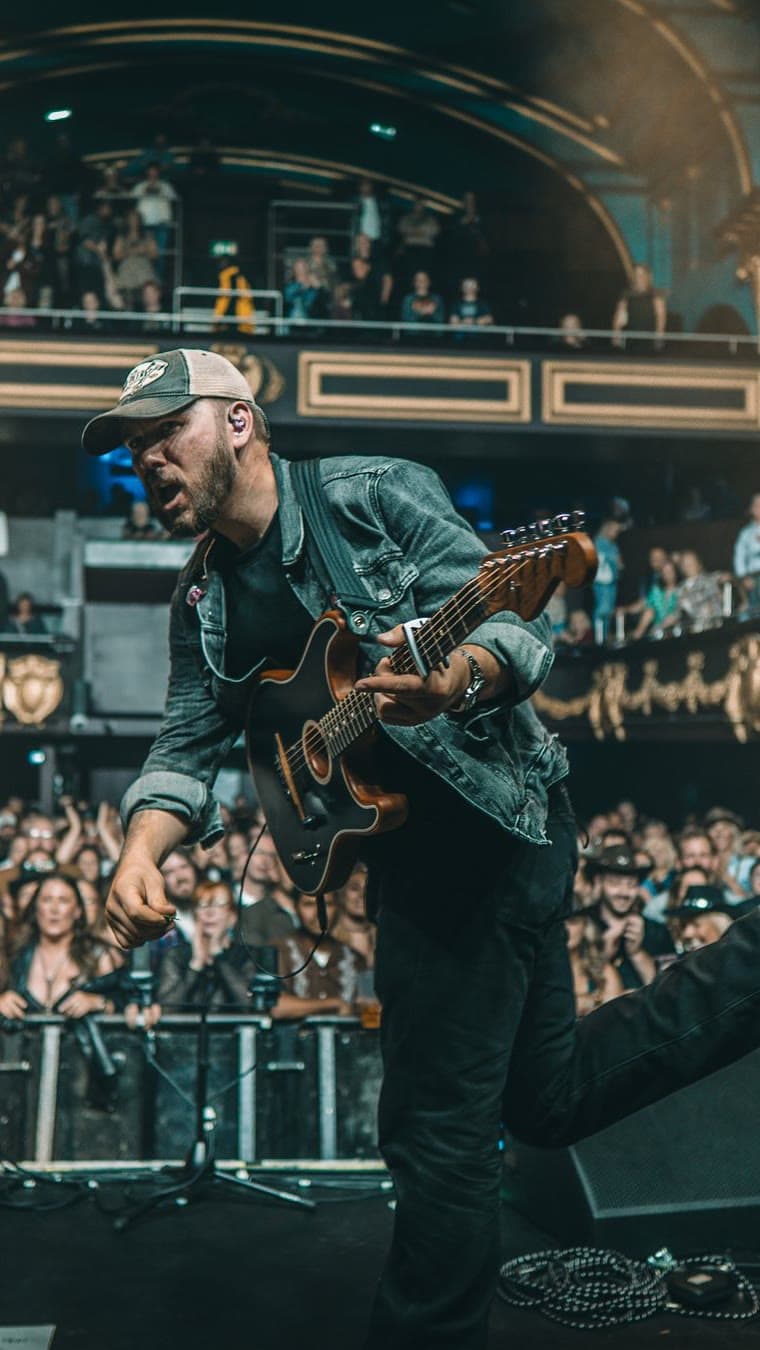
9:16 in Reels and StoriesThe whole screen.
You don’t need a different ad for each place. Across FoundTix campaigns, people clicked the same vertical ads at almost the same rate in feeds as in Reels and Stories (1.45% and 1.52%).
Make the first second count
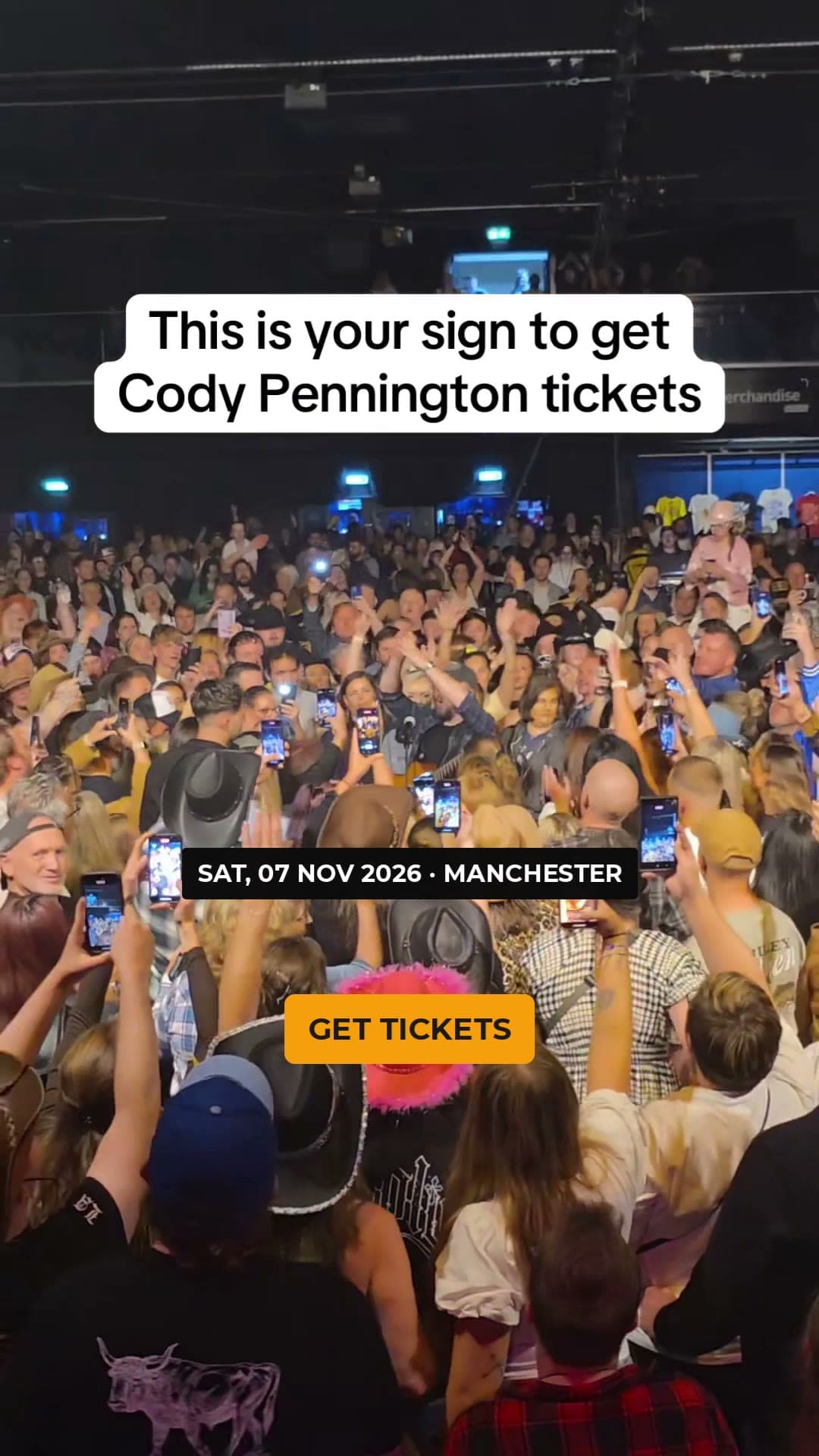
Once your ad looks like it belongs, you have about a second to make someone stop. What they see in that first second should be the point of your ad. If you’re a tribute act, have your tribute name visible straight away. If the artist is well known, have their name visible straight away, or a photo of them that people will recognise.
Every act has something that grabs people’s attention. Find out what that is for yours, and make it the most visible thing in the first second.
Show them what the night feels like
Getting someone to stop is only half of it. Next they need to want to be there, so your ad should get across the feeling of your event. If it’s an upbeat show, scenes of the crowd having fun are great, as well as you performing on stage.
The crowd’s point of view is one of the most important parts, though. It shows people what they’ll see from where they’ll be standing, so it’s easier for them to picture themselves there.
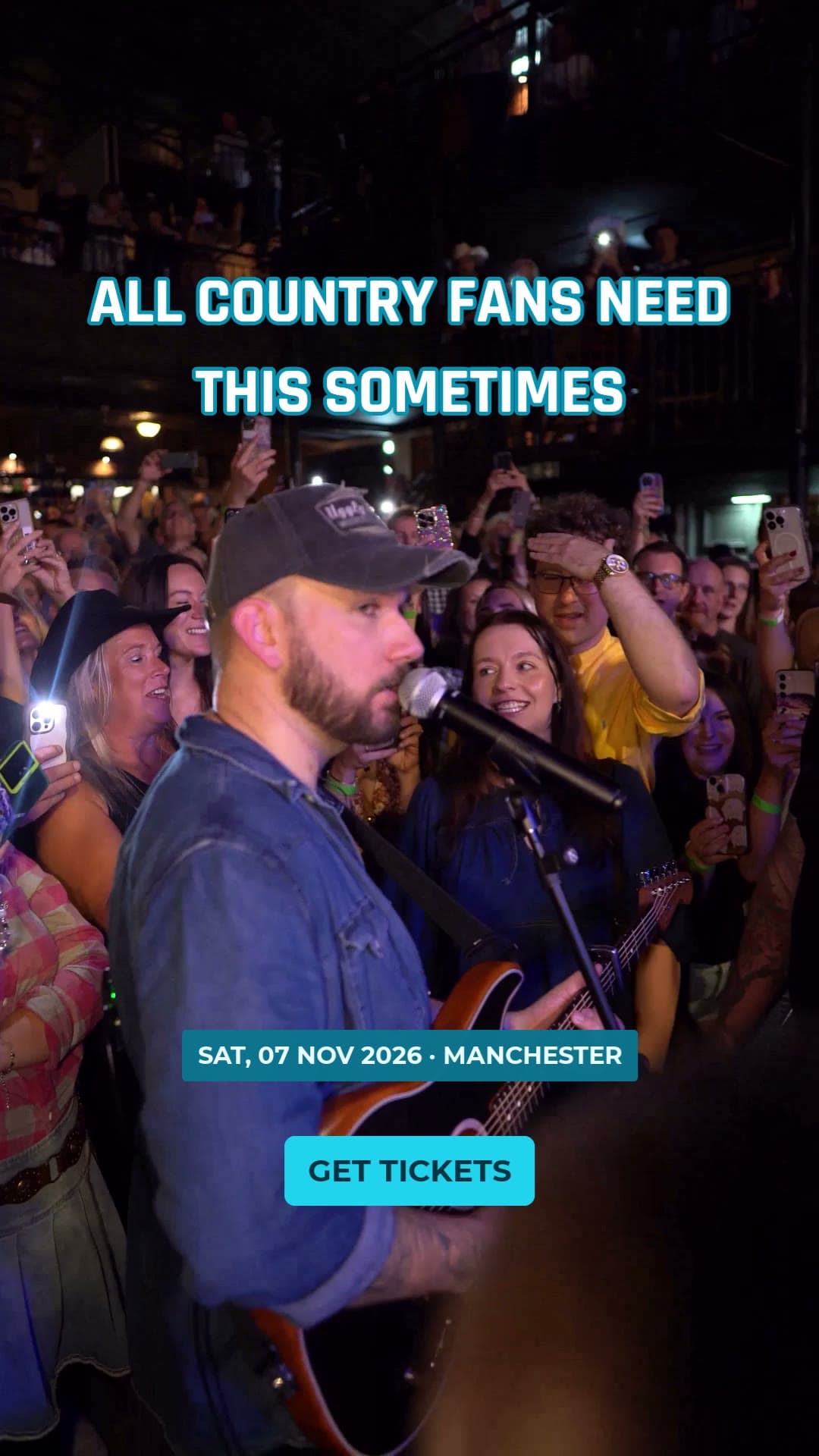
My crowd video got about 1.6 times as many clicks as my main video in the same cities. Of the footage FoundTix used in my ads, me on stage filmed from inside the crowd got the most clicks.
Crowd video: 1.75% of people clicked, from 365,000 views. Main video: 1.11%, from 1.79 million views.Keep it short
Once they’re interested, your ad has done its job, and the rest is up to your landing page. The point of the ad is to grab people’s attention and get them to click, so they can find out more and buy. It doesn’t need to tell the whole story. Your video really shouldn’t be longer than 15 seconds, and it should never go past a minute.
It doesn’t need to be expensive either. Phone footage can do just as well as professional footage, and the video Meta spent the most on in my campaign was a selfie I filmed on my phone. For an event, music is generally the way to go. Captions are useful if someone is speaking in the ad, but otherwise they just distract from the point of it.
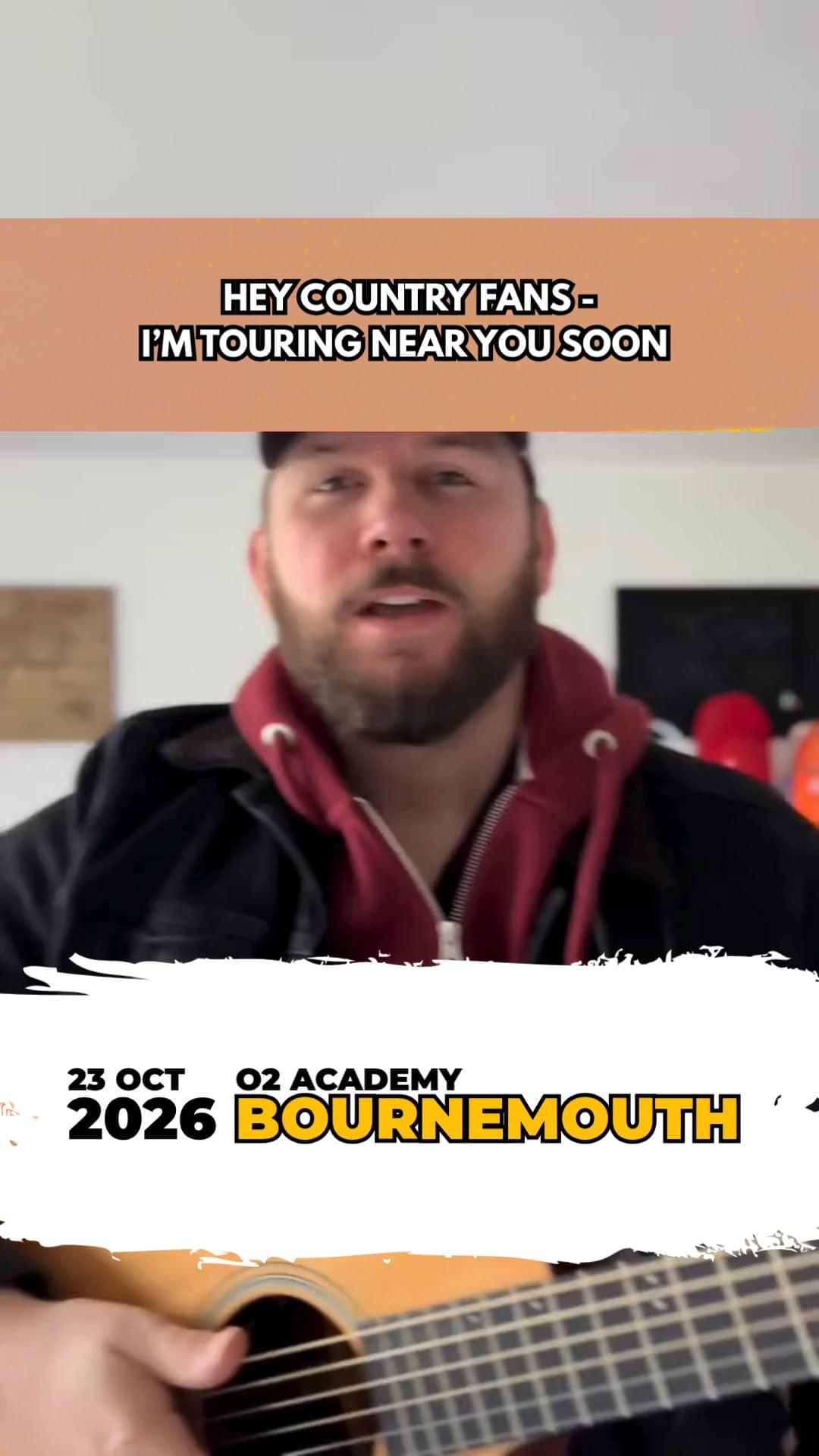
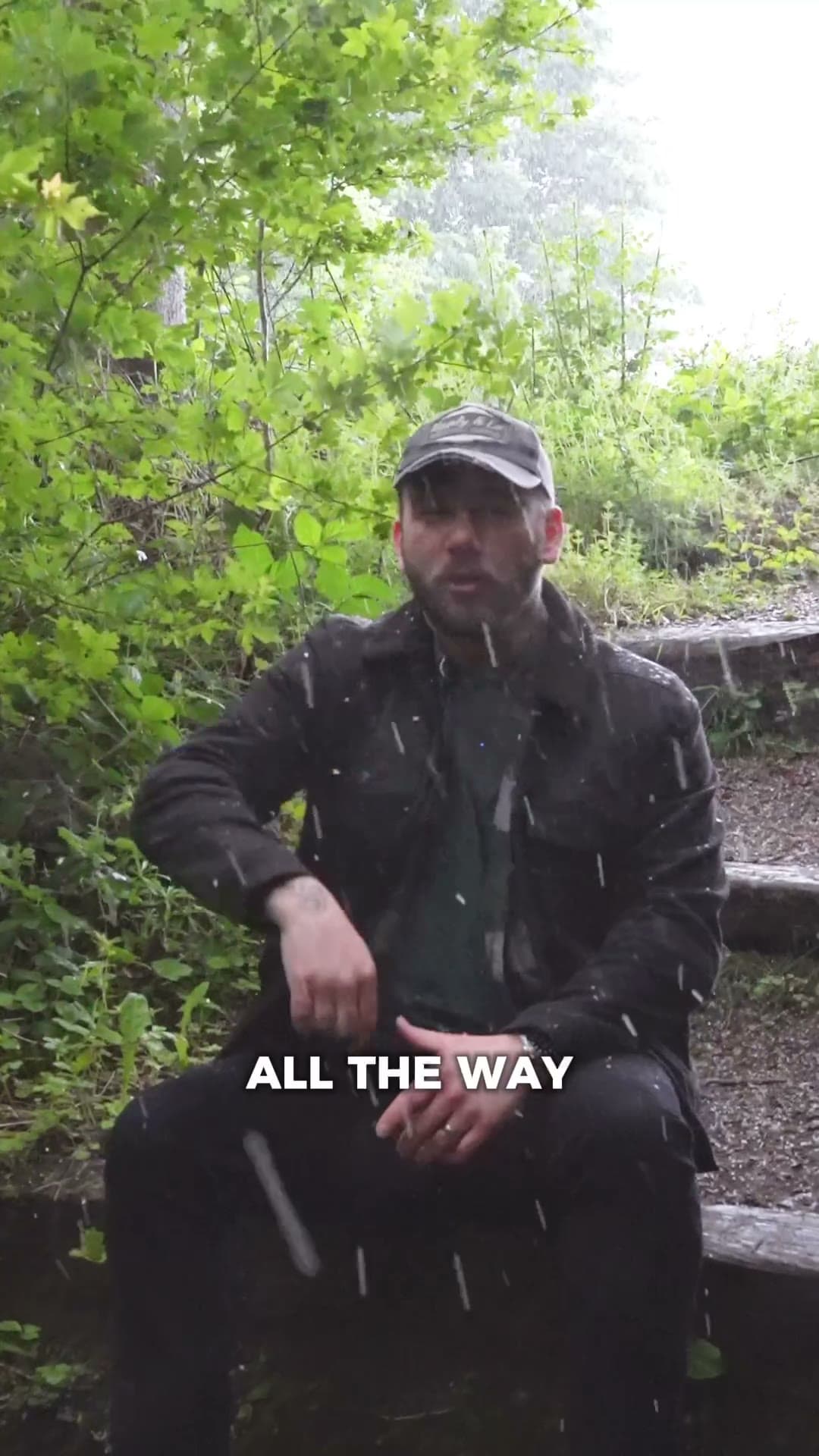
When you build an ad in FoundTix, it’s made vertical and full screen for you, and trimmed to 15 seconds. You pick which 15 seconds. If you upload a finished ad instead, it runs as you made it.
What to say as the show gets closer
So far this has all been about the video. The words that go with it matter too, and what works changes as the show gets closer.
When you announce
Simple information often sells more tickets than trying to get an emotional reaction. People want to know who’s playing, where, when, and that tickets are on sale. For example:
Simple information
The Midnight Ramblers. Live at The Brook, Southampton. Saturday 14 March. Tickets on sale now.
Going for an emotional reaction
Get ready for the night of your LIFE. You do NOT want to miss this!!!
In the middle of the run
Once the show has been on sale for a while, you can try testing ads that lean more on the emotional side, to see if certain platforms prefer them at certain times. Generally, though, keeping it informative is a simple method that works.
In the final weeks
This is when it’s most tempting to add urgency, but avoid anything that isn’t real, like “selling fast” or “almost sold out”. People can tell when it isn’t true, and it ruins your advertising reputation with your audience. Mentioning the date is fine, because that’s always true.
FoundTix never puts lines like “selling fast” in your ads unless your sales show they’re true.
Should you put the price in the ad?
The last thing to decide on the words is the price. Adding it can help sell tickets. If it’s not an expensive ticket, people seeing how much they’d spend can help them decide to buy. If it’s an expensive ticket with high fees on top, it may hurt sales quite a bit.
On FoundTix, the first price a buyer sees is the price they pay. Any booking fee is included and shown up front, never added at checkout, and you can choose to cover the fee yourself so buyers only pay the ticket price.
Run it as an ad, not a boosted post
Once your ad is ready, how you put it out matters too. When you just boost a post, you generally lose a lot of your targeting and retargeting options, and the platform takes over for you. That can work for some events, maybe smaller ones, but sometimes it’s just wasted money.
FoundTix sets up your targeting for you in the background, based on where your show is. You just pick your Facebook Page and a daily budget, so it’s almost as easy as boosting a post.
The four biggest mistakes I see
Most ads that don’t sell tickets go wrong at one of the moments above.
- The point of the ad isn’t clear straight away.People should know who’s playing in the first second.
- Nothing grabs attention in the first three seconds.If nothing catches their eye, they keep scrolling.
- The ad goes on far too long.Aim for 15 seconds, and never go past a minute.
- The ad is the wrong shape.A landscape ad only takes up a small strip of a phone screen.
Get those four right and you’re most of the way there: a vertical video that looks like it belongs, makes its point in the first second, shows people what the night feels like, and gets them to click.
If you’d rather not worry about any of this, FoundTix Marketing builds your ads in the right shape and length, sets up your targeting and runs your campaign for you. FoundTix Ticketing sells your tickets with the full price shown up front and scans them at the door, all from the same dashboard.
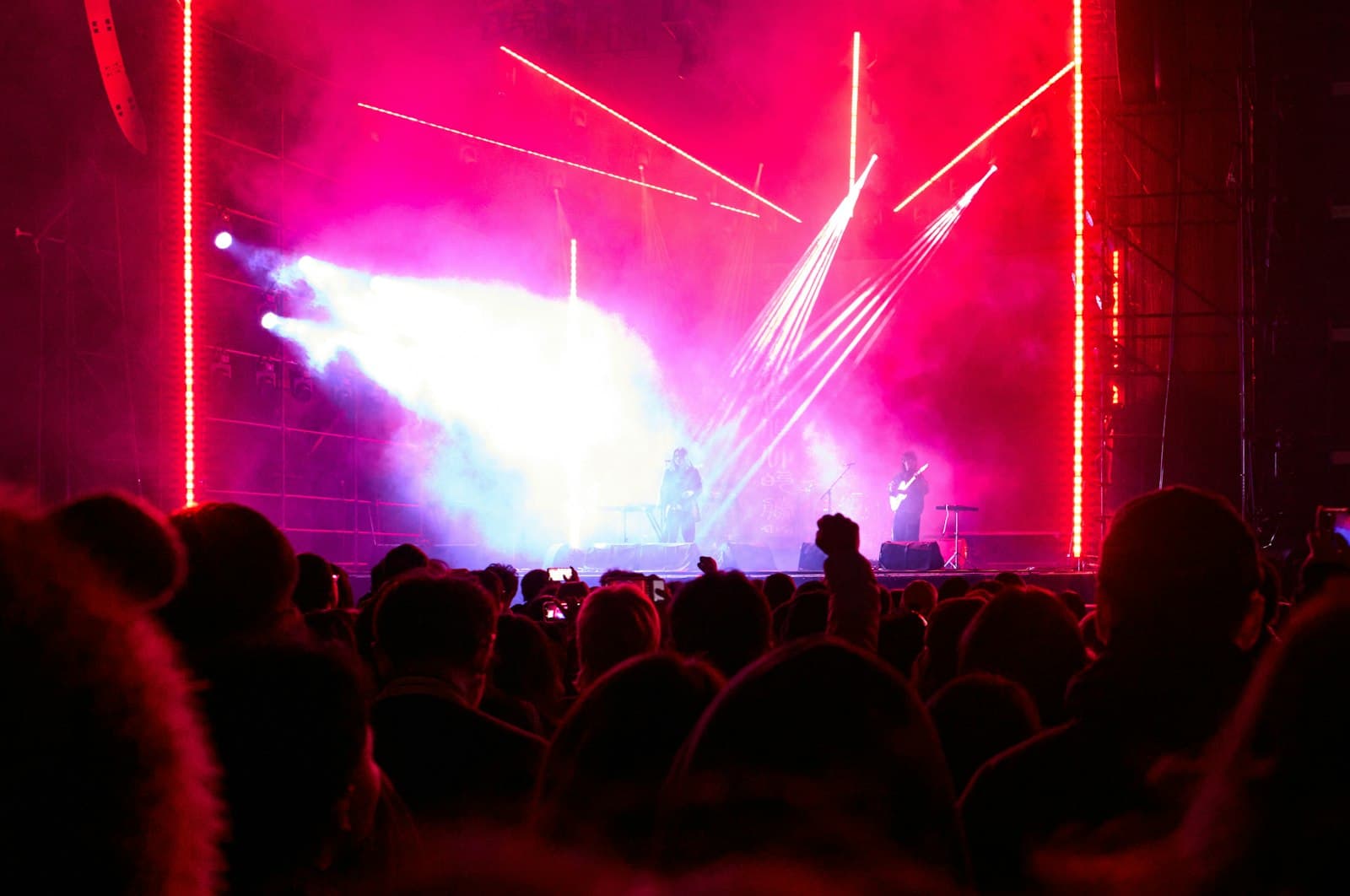
See FoundTix MarketingCreate a free accountFigures are from my own 2026 tour ads on Facebook and Instagram. Crowd photo by Howen on Unsplash (Unsplash Licence).